Nooru Sami Movie 2026 Vegamoviees Review Details
Nooru Saami (2026) Review – Is This Vijay Antony’s Most Vulnerable, Career-Best Act?
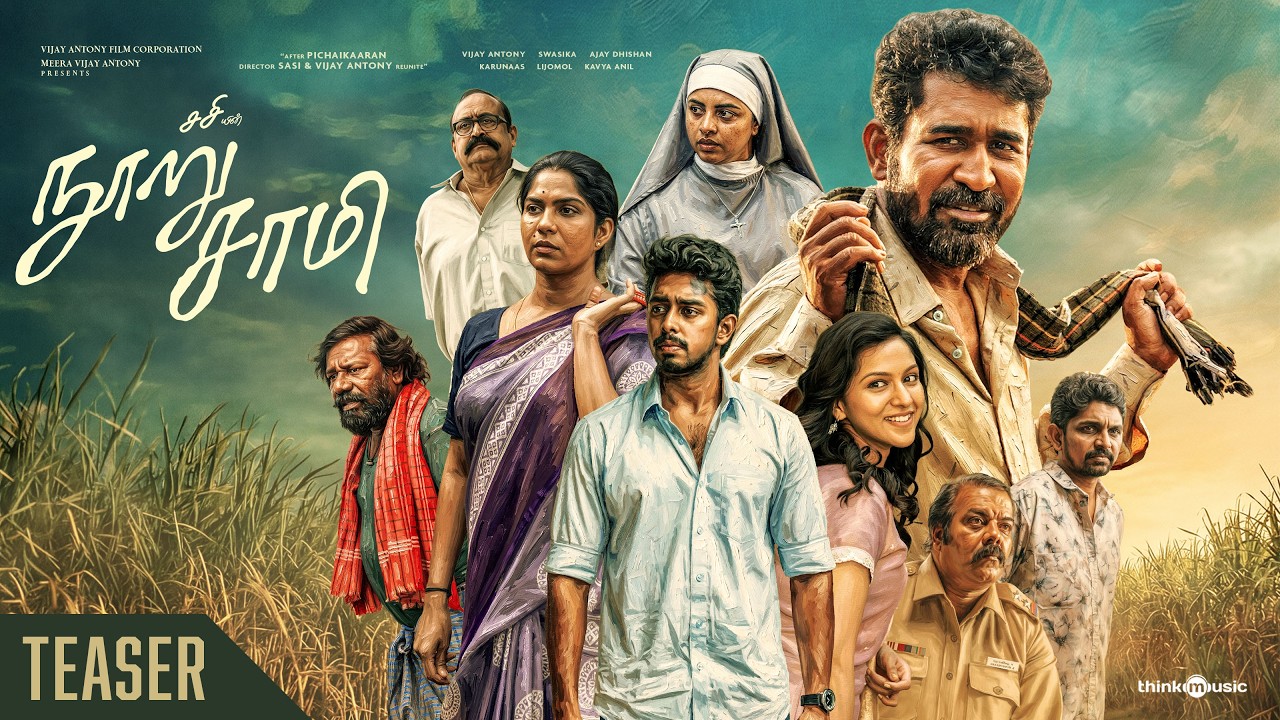
After a string of action-packed thrillers, seeing Vijay Antony strip it all back for a raw, rural drama is the kind of risk that makes you sit up and pay attention. This isn’t just a film; it’s a performance clinic set against the harsh, unforgiving landscape of caste politics.
A Family Torn Apart by a Hundred Gods
The plot is an emotional earthquake disguised as a family drama. In a village where tradition is the only law, a mother’s choice becomes a public scandal.
The ‘Hundred Gods’ aren’t just deities in temples; they’re the collective judgment of the elders, the weight of caste pride, and the whispers that can shatter a home.
The story follows a conflicted patriarch, played by Vijay Antony, as he’s forced to choose between the family he loves and the society that defines his honour.
| Role | Name |
|---|---|
| Director & Writer | Sasi |
| Lead Actor | Vijay Antony |
| Female Lead | Swasika Vijay |
| Second Lead | Ajay Dhishan |
| Co-lead | Lijomol Jose |
| Music Director | Balaji Sriram |
Section 1: Lead Performance Breakdown – Vijay Antony, The Silent Storm
Forget the stoic hero. Here, Antony weaponizes silence. His eyes do the heavy lifting, carrying the burden of a man crumbling from the inside. Watch the way his jaw tightens when elders speak, a physical manifestation of internal conflict.

His dialogue delivery is restrained, almost weary, until it isn’t. The outbursts feel earned, volcanic, and terrifyingly real. This isn’t a performance of swagger; it’s a masterclass in controlled implosion.
Section 2: Supporting Cast & Antagonist Impact – The Village is the Villain
The film’s genius lies in making the entire village ecosystem the antagonist. Swasika Vijay is the soul of the film. Her performance is a quiet tremor of resilience and pain—a national-award worthy act that anchors every emotional beat.
Lijomol Jose, as the catalyst, delivers a heartbreaking mix of defiance and despair. The real scene-stealer, however, is the ensemble—actors like Karunas and Aruldoss aren’t just characters; they are the living, breathing embodiment of systemic pressure.
They don’t need to roar; their disapproving glances are lethal.
Section 3: Chemistry Check – Bonds That Break and Mend
The core chemistry isn’t romantic; it’s filial and fraught. The bond between Vijay Antony and Swasika (as mother and son) is the film’s fractured backbone.

Their scenes are charged with unspoken history and a love strained by societal debt. The rivalry isn’t with a person, but with an idea—the idea of “what will people say.” This dynamic creates a tension more gripping than any standard hero-villain face-off.
| Actor / Role | Rating & Comment |
|---|---|
| Vijay Antony (The Patriarch) | 9/10 – A career-redefining act of vulnerable intensity. |
| Swasika Vijay (The Mother) | 9.5/10 – The emotional core. A performance of profound, silent strength. |
| Lijomol Jose (The Catalyst) | 8.5/10 – Brings crucial fire and fragility, a perfect counterpoint. |
| The Village Ensemble | 10/10 – Collective Best Actor. They *are* the film’s oppressive atmosphere. |
Section 4: Emotional High Points – Scenes That Leave Scars
This film is built on moments that linger. The ‘public gathering’ scene, where the family’s fate is debated, is a masterstroke of sound design—the murmurs of the crowd feel like physical blows.
Vijay Antony’s breakdown in the rain, where his silent anguish finally cracks, is a whistle-worthy moment for all the right reasons—it’s raw, ugly, and brilliantly acted.
The climax, a simple declaration in the village square, uses minimal dialogue to deliver a maximum emotional payoff, proving that the loudest statements are often made in a whisper.
Performance-Centric FAQs
Q: Is this Vijay Antony’s best performance to date?
A: Absolutely. It moves beyond his comfort zone into a space of profound emotional vulnerability, making it his most nuanced and powerful work.

Q: Does Swasika Vijay get enough scope to perform?
A> She doesn’t just get scope; she owns the film’s moral centre. Her performance is a quiet storm that will be discussed for a long time.
Q: Is the film preachy or performance-driven?
A> Firmly performance-driven. The social message is woven seamlessly into the character arcs, never overpowering the human drama at its core.
Ratings are purely my take after multiple watches — your experience might differ!