Ustaad Bhagat Singh Movie 2026 Vegamoviees Review Details
Ustaad Bhagat Singh 2026 Review – Is This Pawan Kalyan’s Definitive Power-Star Showreel?
Let’s be real, when Pawan Kalyan teams up with a mass maestro like Harish Shankar, you don’t just buy a ticket, you book a front-row seat for a seismic event.
This isn’t just a film; it’s a statement from an icon in his prime political and cinematic era, packaged as a whistle-worthy, dialogue-heavy spectacle.
The Vigilante’s Fire
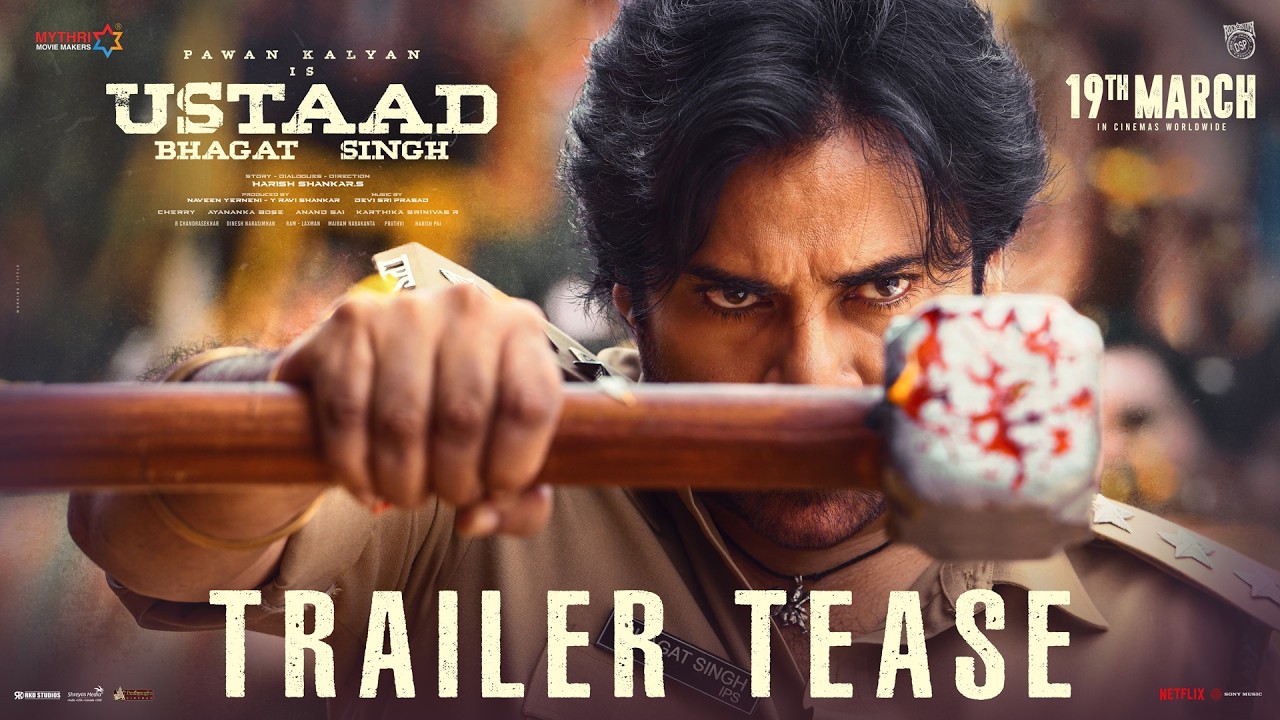
In a landscape choked by corruption, Bhagat Singh (Pawan Kalyan) isn’t just a name; it’s a raging ideology. A man forged in the fire of personal tragedy, he becomes a one-man army against a rotten system.
The plot is a familiar vehicle, but the fuel is pure, undiluted emotion—vengeance, justice, and a revolutionary love for the common man.
| Role | Name |
|---|---|
| Director | Harish Shankar |
| Bhagat Singh | Pawan Kalyan |
| Female Lead | Sreeleela |
| Shloka | Raashi Khanna |
| Antagonist | Ashutosh Rana |
| Villain | Nawab Shah |
| Music Director | Devi Sri Prasad |
| Cinematographer | Ayananka Bose |
Lead Performance Breakdown: The Kalyan Conductor
Pawan Kalyan doesn’t merely act; he conducts the film’s entire energy. His Bhagat Singh is a masterclass in controlled fury. Watch his eyes in the quiet moments—they don’t just simmer, they blueprint the coming storm.

The dialogue delivery isn’t spoken; it’s launched, each line a precision missile aimed at the gallery. This is the culmination of his on-screen persona, where the star, the politician, and the character fuse into one compelling force.
Supporting Cast & Antagonist Impact: The Worthy Adversaries
A hero is only as good as his villains, and Ashutosh Rana brings a chilling, cerebral menace that’s a perfect foil to Kalyan’s physicality. Nawab Shah’s raw brutality adds another layer of threat.
But the scene-stealer? Parthiban as Nalla Nagappa. He brings a quirky, unpredictable danger that breaks the monotony of typical villainy. Sreeleela injects vibrant energy, while Raashi Khanna provides the sophisticated counterpoint, ensuring the emotional landscape isn’t just a one-note rage.
Chemistry Check: Fire, Spark, and Soul
The romance here isn’t a sidebar; it’s strategic. With Sreeleela, it’s a combustible partnership of two fiery spirits—a dance of equals in the rebellion.
With Raashi Khanna, it’s a more nuanced, soulful connection that grounds Bhagat Singh’s fury. This dual dynamic prevents the character from becoming a mere vengeance machine, adding layers of vulnerability and purpose to his war.

| Actor / Role | Rating & Comment |
|---|---|
| Pawan Kalyan as Bhagat Singh | 5/5 – A career-best act in mass avatar. Commands every frame. |
| Ashutosh Rana as Antagonist | 4.5/5 – Terrifyingly calm, the perfect intellectual villain. |
| Parthiban as Nalla Nagappa | 4.5/5 – Scene-stealer. Brings unexpected texture to the conflict. |
| Sreeleela as Female Lead | 4/5 – Firecracker energy. Matches the hero’s pace in dance and spirit. |
| Raashi Khanna as Shloka | 4/5 – Brings grace and emotional depth. A vital balancing act. |
| Devi Sri Prasad (Music) | 4.5/5 – Anthems that are characters in themselves. ‘Inquilab Zindabad’ is a beast. |
Emotional High Points: Where the Film Earns Its Whistles
The interval block is pure cinema. It’s not just a fight; it’s a declaration set to DSP’s thunderous score. But the real punch comes in a quieter scene—Bhagat Singh’s breakdown before his mother’s portrait (Gautami).
Kalyan says nothing for a full minute. The silence, the trembling hands, the single tear—it’s more devastating than any punch. Another masterstroke is the pre-climax courtroom monologue.
It’s not legalese; it’s a roaring manifesto that makes you want to stand up and cheer, blurring the line between the character and the star’s own public persona.
Your Performance-Centric FAQs
Is this Pawan Kalyan’s best performance in a mass role?
Arguably, yes. It synthesizes his iconic style with a sharper emotional core. It’s Gabbar Singh’s swag meets Vakeel Saab’s conviction.
Does the supporting cast get lost in the Power Star’s shadow?
Not at all. Harish Shankar smartly gives each key player a definitive ‘moment’—Parthiban’s quirky menace, Rana’s cold threats—ensuring they elevate the main conflict instead of just filling space.

How is the dialogue delivery compared to his iconic roles?
The dialogues are weaponized. They have the punch of Gabbar Singh but are loaded with a contemporary, socio-political urgency that resonates deeply with his current image. The delivery is slower, heavier, letting every word land like a hammer.
Ratings are purely my take after multiple watches — your experience might differ!